
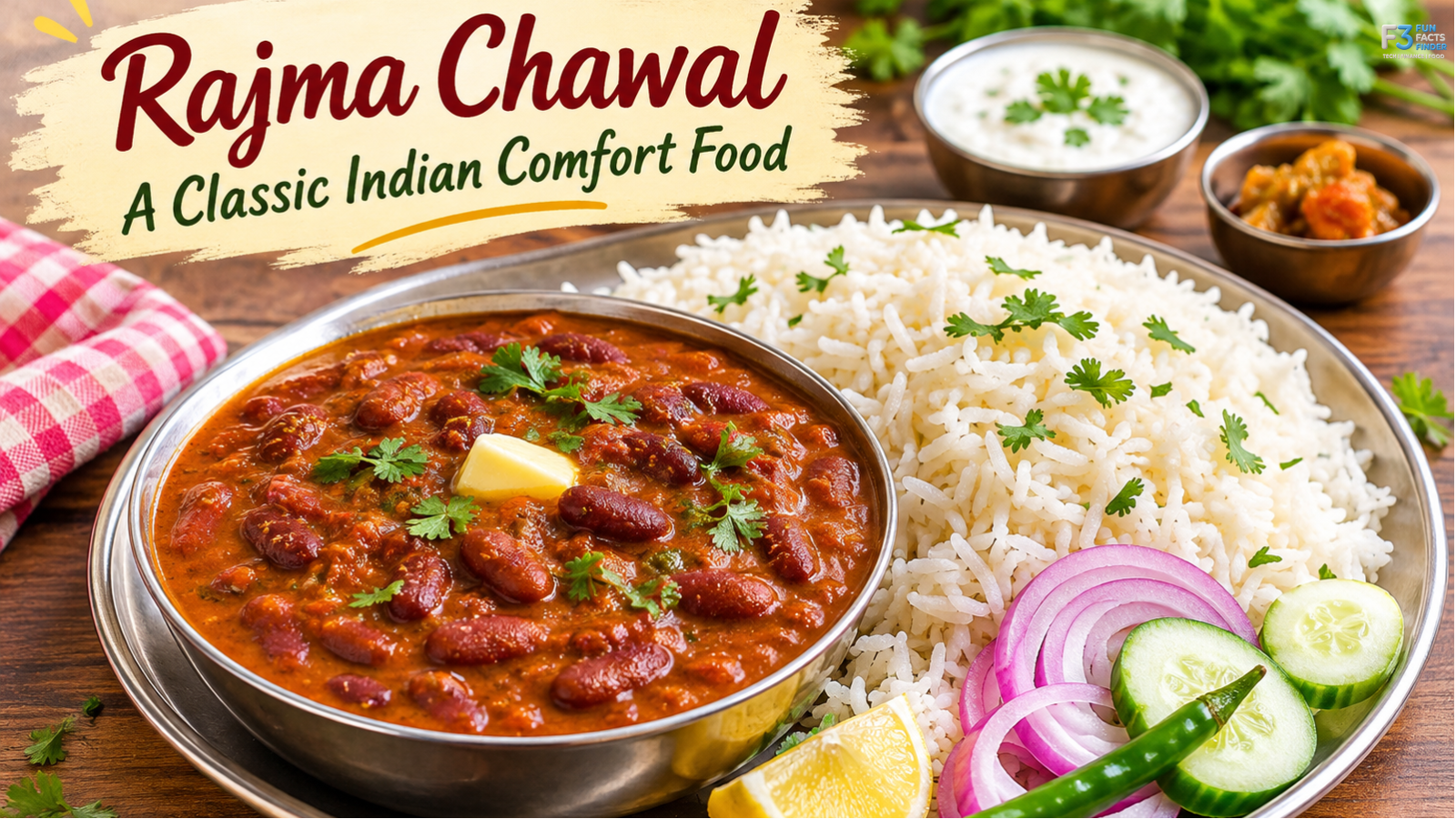
Rajma Chawal is more than just a meal – it is a comforting combination of soft kidney beans simmered in a rich, aromatic gravy and fluffy rice that has been loved across Indian households for generations. Whether it is a Sunday family lunch, a homemade meal on a rainy day, or a craving for something warm and satisfying, a plate of rajma chawal brings the comfort of home.
Popular across North India, especially Punjab and Delhi, this classic combination is known for its hearty flavour, simple ingredients, and satisfying texture. The creamy rajma curry, prepared with onions, tomatoes, ginger, garlic and Indian spices, pairs beautifully with steamed basmati rice.
Beyond its taste, rajma chawal also offers plant-based protein, dietary fiber, and several important nutrients, making it a nourishing meal when prepared with balanced portions and ingredients.
In this guide, we will explore everything about rajma chawal – from its origin and nutritional benefits to a traditional recipe, cooking tips, serving ideas, and answers to common questions about this beloved Indian dish.
What Is Rajma Chawal?
Rajma Chawal is a traditional North Indian meal consisting of rajma (red kidney bean curry) and chawal (rice). The kidney beans are soaked, cooked until tender, and simmered in a flavorful gravy made with onions, tomatoes, ginger, garlic and spices.
The curry is usually prepared using a combination of cumin, turmeric, coriander powder, garam masala and chilli. Some recipes use butter or ghee to enhance flavour, while others use vegetable oil for a lighter preparation.
The dish is often served hot with steamed basmati rice, sliced onions, green chillies, pickle, curd or fresh coriander.
Rajma chawal is particularly popular in Punjabi cuisine, where the beans are slowly simmered to develop a thick, creamy consistency. The gravy is not necessarily made with cream; instead, the softness of the beans and the blending of spices create its rich texture.
What Makes Rajma Chawal Special?
- A satisfying vegetarian meal made with simple pantry ingredients.
- A combination of legumes and grains.
- A naturally flavourful dish that can be adjusted to taste.
- Suitable for lunch or dinner.
- Easy to customise with different rice varieties and cooking methods.
Its appeal lies in the balance between the earthy flavour of kidney beans, tangy tomatoes, aromatic spices and soft rice.
History and Origin of Rajma Chawal
Rajma is made from kidney beans, which originated in the Americas and spread to other regions through historical trade and agricultural exchange. Over time, kidney beans became part of Indian cooking and were especially embraced in North Indian cuisines. In Punjab and other northern regions, rajma developed into a popular home-style curry. Families began preparing kidney beans with local spices, onion-tomato masala and rice, creating the combination now widely known as rajma chawal.
The dish became associated with comfort food, family gatherings and traditional weekend lunches. Although recipes vary between households, the basic preparation remains familiar: properly cooked kidney beans, a well-developed masala gravy and rice. Today, rajma chawal can be found in homes, restaurants, dhabas, cafeterias and food stalls throughout India. It has also gained popularity among people looking for vegetarian meals that are filling and affordable.
Why Rajma Chawal Is So Popular in India
Rajma chawal has remained popular because it combines familiar flavors with convenience, nutrition and affordability.
1. A comforting home-cooked meal
The aroma of rajma simmering in a tomato-onion gravy often reminds people of homemade food. Its warm spices and soft texture make it especially appealing during colder weather or rainy days.
2. Affordable and accessible ingredients
Kidney beans, rice, tomatoes, onions and common Indian spices are widely available. This makes rajma chawal an economical meal for families without requiring expensive ingredients.
3. A vegetarian source of protein
Rajma provides plant-based protein, making it a valuable part of vegetarian diets. Pairing legumes with grains creates a varied amino acid profile across the diet.
4. Easy to customise
You can make rajma chawal mildly spiced, spicy, buttery, vegan, or lighter in oil. It also works with different types of rice depending on taste and dietary needs.
5. Suitable for meal preparation
Rajma curry can be prepared ahead of time and stored safely, making it useful for busy households. The flavours often deepen after resting, although rice is best cooked fresh or reheated carefully.
Rajma Chawal Ingredients: What You Need for the Perfect Flavour
A good rajma chawal recipe does not require complicated ingredients. The secret lies in selecting quality kidney beans, balancing spices and cooking the masala properly.
Ingredients for Punjabi rajma curry
| Ingredient | Quantity | Purpose |
|---|---|---|
| Red kidney beans (rajma) | 1 cup | Main ingredient |
| Onion | 2 medium | Gravy base |
| Tomatoes | 3 medium | Tangy flavour and texture |
| Ginger | 1-inch piece | Aroma and flavour |
| Garlic | 5–6 cloves | Depth of flavour |
| Green chilli | 1–2 | Heat |
| Cumin seeds | 1 tsp | Tempering |
| Turmeric powder | ½ tsp | Colour and flavour |
| Coriander powder | 1 tsp | Earthy flavour |
| Red chilli powder | ½ tsp | Spice |
| Garam masala | 1 tsp | Final aroma |
| Amchur | ½ tsp | Optional tanginess |
| Oil or ghee | 1–2 tbsp | Cooking masala |
| Salt | As required | Seasoning |
| Fresh coriander | 2 tbsp | Garnishing |
Ingredients for steamed rice
- 1 cup basmati rice
- 1.5–2 cups water, depending on rice and method
- Salt, optional
- ½ tsp ghee, optional
The rice should be fluffy, aromatic and not overly sticky. Basmati rice is a popular choice because its long grains complement the thick rajma gravy.
How to Make Rajma Chawal at Home
This homemade rajma chawal recipe delivers a rich, comforting flavour without requiring restaurant-style ingredients. The key is to cook the kidney beans until completely soft and allow the masala to simmer long enough for the flavours to combine.
Preparation time: 8 – 12 hours soaking
Cooking time: 45 – 60 minutes (approx.)
Servings: 3 – 4
Step 1: Soak the kidney beans
Wash 1 cup of dried rajma thoroughly and soak it in plenty of water for at least 8–12 hours or overnight. Drain the soaking water and rinse the beans with fresh water. Soaking helps rehydrate the beans and can reduce their cooking time.
Step 2: Cook the rajma until soft
Add the soaked kidney beans to a pressure cooker with fresh water. Cook until the beans are thoroughly soft and easily mashable. Cooking time varies depending on the bean variety, age, soaking duration and pressure cooker. Do not rely on a fixed number of whistles alone—check the texture before using them in the curry.
Step 3: Prepare the onion-tomato masala
Heat oil or ghee in a pan. Add cumin seeds and allow them to crackle. Add finely chopped onions and cook until golden. Next, add ginger, garlic and green chillies. Cook for a minute before adding tomato puree or finely chopped tomatoes. Add turmeric, coriander powder, red chilli powder and salt. Cook the masala until the tomatoes soften and the mixture becomes thick, with the raw aroma of the ingredients gone.
Step 4: Combine rajma with masala
Add the cooked kidney beans to the masala along with some of their cooking liquid. Mix gently and simmer for 20–30 minutes, stirring occasionally. For a creamy texture, mash a few beans against the side of the pan and stir them back into the curry. This helps thicken the gravy naturally. Add a little hot water if the curry becomes too thick.
Step 5: Add final spices
Add garam masala and optional amchur powder. Adjust the salt and spice levels according to your preference. Let the rajma simmer for another few minutes. Garnish with chopped coriander and, if desired, a small amount of butter.
Step 6: Prepare the rice
Wash the basmati rice gently until the water becomes clearer. Soak for 15–20 minutes if desired, then drain. Add rice and fresh water to a saucepan. Bring to a boil, reduce the heat, cover and cook until the rice is tender and the water has been absorbed. Rest for a few minutes before fluffing gently.
Step 7: Serve hot
Serve a portion of hot steamed rice with a generous bowl of rajma curry. Add sliced onion, cucumber, curd, pickle or fresh coriander for a complete meal.
Health Benefits of Rajma Chawal
Rajma chawal can be a nutritious meal when prepared with balanced portions. Kidney beans contain plant-based protein, dietary fibre, carbohydrates and minerals, while rice supplies energy. The nutritional value depends on the portion size, rice variety, oil, butter and other ingredients used.
1. A good source of plant-based protein
Kidney beans are an important source of plant protein for people following vegetarian or vegan diets. Protein helps support muscle maintenance, tissue repair and other normal body functions. Rajma is also useful for adding variety to meals that otherwise rely heavily on dairy or wheat-based foods.
2. Rich in dietary fibre
Rajma contains dietary fibre that supports digestive health and helps promote bowel regularity. Fibre-rich meals may also contribute to fullness, which can help with appetite management. If you are not used to eating beans, start with a moderate serving and increase gradually, as rajma may cause gas or bloating in some people.
3. Provides iron and folate
Kidney beans contain iron and folate, both important nutrients in the diet. Iron is needed for oxygen transport in the body, while folate supports cell growth and normal cell function. Pairing rajma with vitamin C-rich foods, such as lemon, tomatoes or capsicum, may improve absorption of plant-based iron.
4. Provides sustained energy
Rice supplies carbohydrates, which are an important source of energy. Rajma adds protein and fibre, making the meal more filling than eating plain rice alone. This combination can be helpful for people who want a satisfying lunch or dinner rather than a meal consisting mainly of refined carbohydrates.
5. Supports a balanced vegetarian eating pattern
Rajma chawal can contribute to a balanced diet, particularly when served alongside vegetables, salad and curd. The ICMR–National Institute of Nutrition dietary guidelines encourage variety across food groups, including cereals, pulses, vegetables, fruits, nuts, dairy and other appropriate foods. Rajma chawal can contribute to the cereals and pulses groups.
ICMR National Institute of Nutrition+1
Nutrition note: Rajma chawal is not a cure for diabetes, cholesterol or other medical conditions. Individual portion requirements vary, especially for people managing blood sugar or other dietary restrictions.
Rajma Chawal vs Other Popular Indian Meals
Rajma chawal is often compared with other everyday Indian meals because they share similar ingredients, cooking styles or nutritional characteristics.
| Meal | Main ingredients | Key difference |
|---|---|---|
| Rajma Chawal | Kidney beans and rice | Thick bean curry with rice |
| Chole Chawal | Chickpeas and rice | Chickpea curry with a different spice profile |
| Dal Chawal | Lentils and rice | Usually softer, lighter and quicker to cook |
| Kadhi Chawal | Yogurt-based curry and rice | Tangy curry made using yogurt, often with besan |
| Khichdi | Rice and lentils | Cooked together into a softer, one-pot meal |
Rajma Chawal vs Dal Chawal: Which Is Better?
Neither is universally better; both can be nutritious meal choices.
- Rajma chawal is often thicker and more filling, with kidney beans contributing fibre and plant protein.
- Dal chawal can be easier to customise into a lighter meal and may be quicker to prepare, depending on the lentil used.
- Both can be part of a balanced vegetarian diet when portion sizes and side dishes are considered.
For a hearty weekend meal, rajma chawal is a favourite. For a quick everyday lunch, dal chawal may be more convenient.
Tips for Making Restaurant-Style Rajma Chawal
If you want your rajma to taste like the version served at Punjabi restaurants or dhabas, a few cooking techniques can make a noticeable difference.
1. Soak the beans properly: Overnight soaking helps the beans hydrate evenly and cook more efficiently.
2. Cook until completely tender: Firm or undercooked rajma can ruin the texture of the curry. The beans should mash easily between your fingers or with a spoon when fully cooked.
3. Take time with the masala: Cook onions until golden and allow tomatoes and spices to develop their flavour instead of rushing the process.
4. Mash a few kidney beans: This is a simple way to create a thick, creamy gravy without adding cream.
5. Simmer after combining: Allow the beans and masala to cook together so the flavour penetrates the curry.
6. Use garam masala at the end: Adding some of the aromatic spice near the finishing stage helps retain its fragrance.
7. Balance richness and acidity: A little amchur or lemon can balance the rich gravy, while butter or ghee adds a rounded flavour.
How to Make Rajma Chawal Healthier
You do not need to remove traditional flavours to make rajma chawal a more balanced meal.
- Use less oil or ghee when preparing the masala.
- Keep butter and cream optional rather than essential.
- Choose brown rice or a mixture of rice and millets if you enjoy their texture.
- Add a cucumber, carrot or seasonal vegetable salad.
- Serve a moderate rice portion and a generous amount of rajma.
- Reduce excess salt and use spices, coriander, lemon and ginger for flavour.
For people managing diabetes, the combination still contains carbohydrates from both rajma and rice. Portion size and total carbohydrate intake matter, so adjust the rice serving to your individual nutrition plan. A larger proportion of rajma, vegetables and a controlled rice portion may work better than a plate dominated by rice.
Best Ways to Serve Rajma Chawal
Rajma chawal tastes delicious on its own, but traditional accompaniments can make the meal even more enjoyable.
| Side dish | Why it works |
|---|---|
| Cucumber salad | Adds freshness and crunch |
| Onion rings | Complements the rich gravy |
| Plain curd | Adds a cooling, creamy texture |
| Lemon wedges | Adds a refreshing tang |
| Mango pickle | Provides a spicy, sour contrast |
| Roasted papad | Adds crispiness |
| Fresh coriander | Enhances aroma and presentation |
For a complete Punjabi-style lunch, serve rajma chawal with cucumber salad, curd, pickle and a glass of chaas.
Rajma Cooking Safety and Storage Tips
Kidney beans must be cooked properly before eating. Raw or undercooked red kidney beans contain a naturally occurring lectin called phytohaemagglutinin, which can cause nausea, vomiting and other digestive symptoms.
Follow these precautions:
- Soak dried kidney beans in water for at least 8-12 hours.
- Discard the soaking water and rinse the beans.
- Boil in fresh water vigorously for at least 10 minutes, then continue cooking until fully tender. Follow reliable bean preparation guidance for the complete cooking process.
- Do not use a slow cooker as the only cooking method for dried red kidney beans.
- Canned kidney beans are already cooked; rinse them and use according to the package instructions.
These precautions are supported by Health Canada and the European Food Safety Authority.
Storage tips:
- Refrigerate leftover rajma and rice promptly in clean, covered containers.
- Ideally refrigerate within two hours of cooking.
- Keep the rice and curry separately for better texture.
- Reheat thoroughly until steaming hot before serving.
- Avoid repeatedly cooling and reheating the same portion.
Conclusion: Why Rajma Chawal Remains a Favourite Indian Meal
Rajma chawal continues to hold a special place in Indian cuisine because it combines comfort, flavour, nutrition and simplicity in one meal. The rich kidney bean curry, aromatic spices and fluffy rice create a combination that is both satisfying and easy to enjoy at home.
Whether you prepare traditional Punjabi rajma, a lighter everyday version or a quick recipe using canned kidney beans, the dish can be adapted to suit different tastes and cooking preferences.
With proper soaking, thorough cooking, balanced spices and thoughtful portions, rajma chawal can become a wholesome addition to your regular meal rotation. For many people, rajma chawal is not just food—it is the taste of home, family lunches and familiar Indian comfort that never goes out of style.
Frequently Asked Questions About Rajma Chawal
1. Is rajma chawal healthy?
Yes, rajma chawal can be a nutritious meal. Kidney beans provide plant protein, fibre, iron and folate, while rice provides carbohydrates for energy. Its overall nutritional value depends on the ingredients, cooking method and portion size.
2. Can rajma curry be prepared in advance?
Yes. You can prepare the curry in advance and refrigerate it safely. Reheat thoroughly before serving. Cook rice fresh when possible for the best texture.
3. Can rajma chawal be eaten by people with diabetes?
People with diabetes may be able to include rajma chawal in their meal plan. Rajma contains fibre and protein, but rice and beans both contribute carbohydrates. Portion control, individual glucose response and advice from a healthcare professional or dietitian are important.
4. Is rajma chawal good for weight management?
It can fit into a weight-management diet because rajma contains protein and fibre, which may help you feel full. However, portion sizes, oil, butter and total daily calorie intake also matter.
5. Can I use canned kidney beans for rajma?
Yes. Canned kidney beans are a convenient alternative because they are already cooked. Rinse them, prepare the masala and simmer the beans in the gravy for about 15–20 minutes, adjusting the time to your desired flavour and consistency.
6. Can I make rajma chawal without a pressure cooker?
Yes. You can cook kidney beans in a heavy-bottomed pot. However, they may take considerably longer. Keep enough water in the pot, boil them thoroughly and continue cooking until completely tender.
